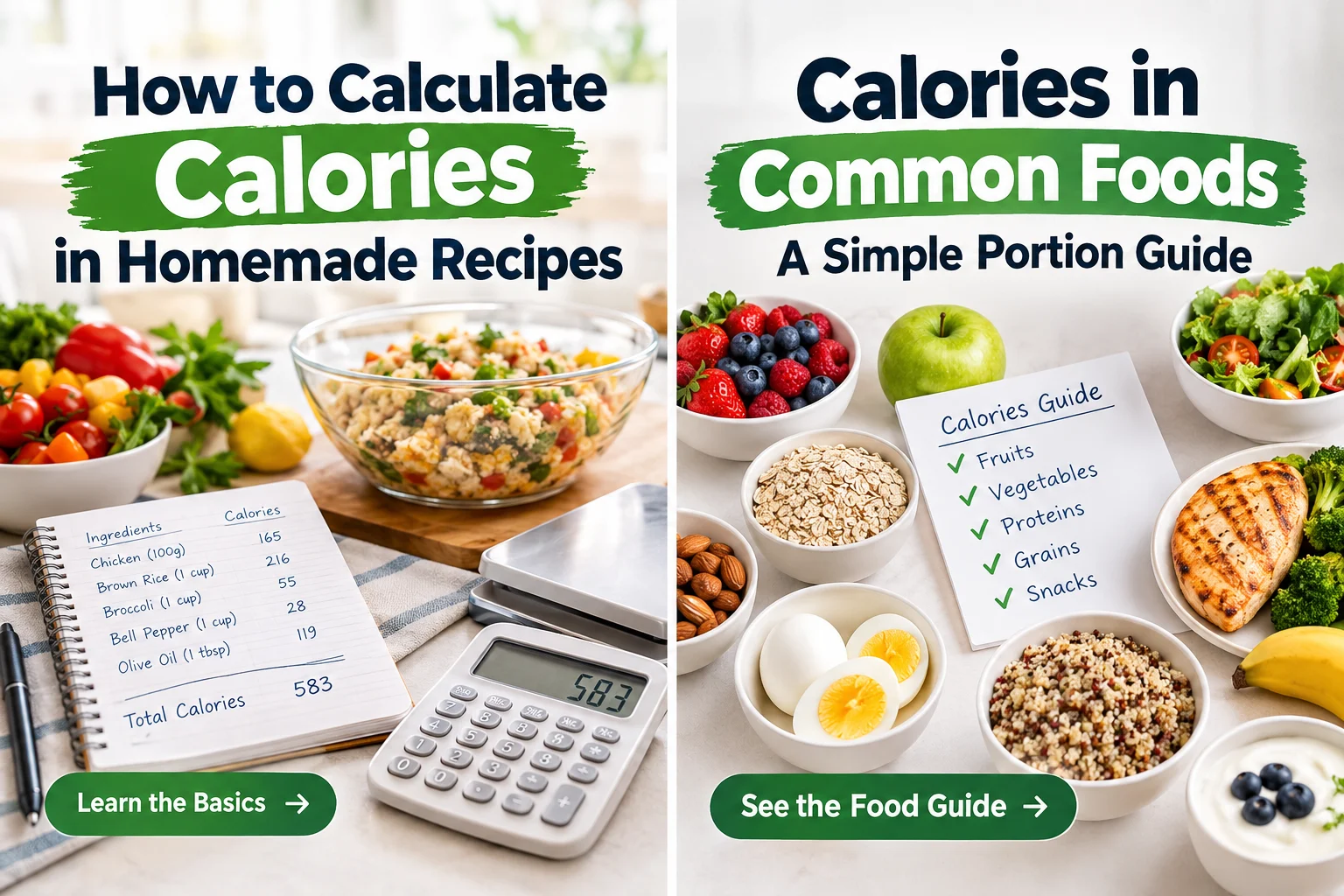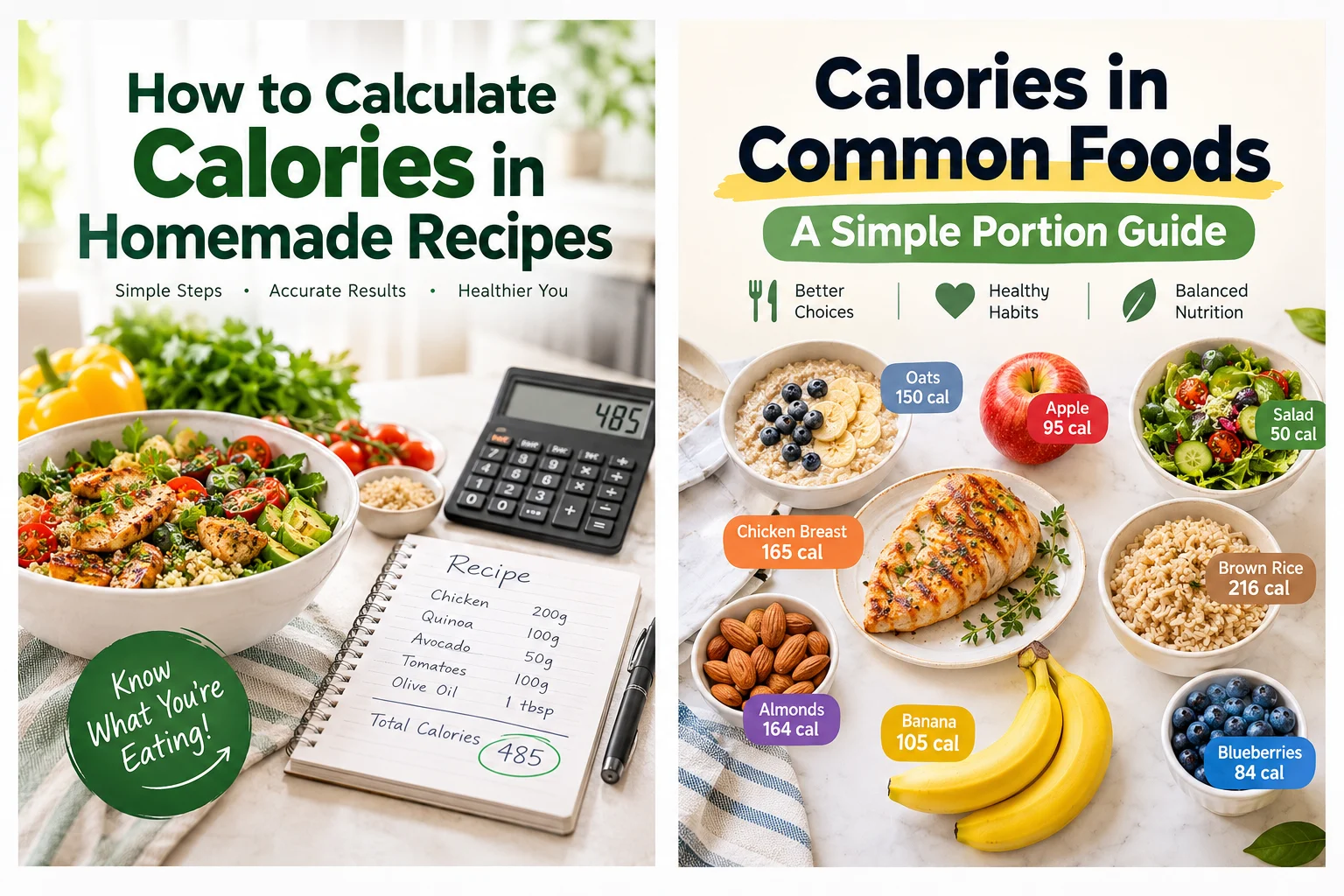
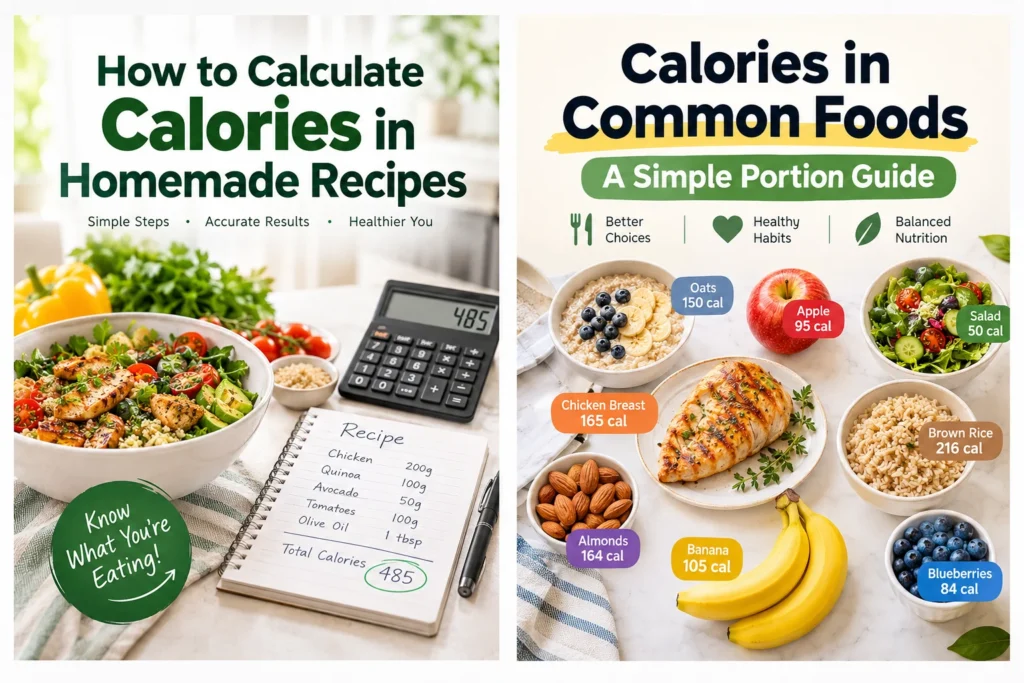
Learning how to calculate calories in homemade recipes is easier than it sounds. You do not need to guess; just add up the calories in each ingredient, then divide the total by the number of servings. This simple method works for soups, pasta, breakfast bowls, baked dishes, and many family recipes.
For a quick starting point, try the Recipe Snippets calorie calculator and browse more ideas in the recipe collection. The steps below will help you understand the numbers and make better comparisons.
Why calculate calories in a homemade recipe?
Home cooking gives you control over ingredients and portions. It can also make nutrition harder to estimate because recipes do not come with a printed label. A recipe calorie estimate can help you plan meals, compare ingredient choices, and understand how serving size changes the total.
Keep in mind that a calorie count is an estimate, not a perfect measurement. Ingredient brands, food sizes, cooking methods, and the amount of oil or sauce used can all affect the result.
How to Calculate Calories in Homemade Recipes: Step by Step
1. List every ingredient
Write down all ingredients, including cooking oil, butter, dressings, cheese, sauces, and toppings. Small additions can make a real difference. If you leave out the oil used to cook vegetables or meat, your final estimate may be too low.
2. Measure the amount you use
Use a kitchen scale when possible. Weighing food in grams is often more consistent than using cups, because chopped, packed, or loosely filled cups can hold different amounts. If you use a packaged ingredient, check the nutrition label and match the serving size to the amount in your recipe.
3. Find the calories for each amount
Use the label, a reliable food database, or the food guide on the calorie calculator page as a starting point. Make sure the entry matches the food and preparation method. For example, cooked rice and dry rice have very different calorie values per cup.
4. Add the ingredient calories
Calculate the calories for the amount you actually use, not just the listed serving. If a label says 100 calories per 30 grams and you use 60 grams, count about 200 calories. Repeat this for each ingredient, then add the results.
5. Divide by the number of servings
Once you have the full recipe total, divide it by the number of portions you serve. If a pot of soup contains about 1,200 calories and makes four equal servings, each serving contains about 300 calories.
| Ingredient | Amount used | Estimated calories |
|---|---|---|
| Chicken breast, cooked | 200 g | About 330 |
| Brown rice, cooked | 2 cups | About 432 |
| Olive oil | 1 tablespoon | About 120 |
| Mixed vegetables | 2 cups | About 100 |
| Estimated recipe total | About 982 |
These figures are examples only. Actual values vary by product, portion size, and cooking method. If the dish makes three equal portions, the estimate is about 327 calories per portion.
Example: calculate calories in a pasta dish
Imagine you make chicken pasta with pasta, chicken, cream, cheese, and oil. First, record the amount of each ingredient. Next, use the matching nutrition information to estimate each amount. Add all five values to get the dish total. Finally, weigh or divide the finished dish into the portions you plan to eat.
If you change the recipe, update the math. Using less cheese may lower the total, while adding extra oil or a larger serving of pasta may raise it. For an easy dinner idea, explore the Recipe Snippets recipe categories and choose a dish that fits your meal plan.
Tips for a more accurate calorie estimate
- Measure calorie-dense ingredients carefully. Oil, butter, nuts, seeds, cheese, and sauces are easy to underestimate.
- Use the correct food state. Check whether the entry is raw, cooked, drained, or prepared with added fat.
- Count the full recipe. Include garnishes and condiments if you eat them.
- Track the final serving size. Unequal portions will not have the same calories.
- Keep your method consistent. Using the same measuring approach makes comparisons more useful over time.
Calories are only one part of nutrition
Calories tell you how much energy food provides, but they do not describe everything about a meal. Protein, carbohydrates, fats, fiber, vitamins, minerals, taste, and satisfaction also matter. A balanced meal may include a protein source, vegetables or fruit, a grain or starchy food, and a source of fat.
For breakfast inspiration, you can browse egg breakfast recipes or healthy pudding ideas. Use the same ingredient method if you want to estimate the calories in a homemade version.
Common mistakes to avoid
Do not confuse the calories in a whole package with the calories in one serving. Do not assume every cup of an ingredient weighs the same. Also, remember that water loss or absorption during cooking changes food weight, even though it does not add calories by itself. The most useful approach is to calculate the ingredients, then divide the finished recipe into realistic portions.
Frequently asked questions
Can I calculate calories without a food scale?
Yes. Measuring cups, spoons, and package labels can help. A scale often improves consistency, especially for foods such as pasta, meat, nuts, and cheese.
Do I count oil used for cooking?
Yes. Count the oil or butter you add. If some remains in the pan, the exact amount eaten may be lower, but counting the full amount is a practical estimate.
How do I calculate calories per serving?
Add the calories for every ingredient, then divide by the number of equal servings. If portions differ, divide the total according to each portion’s share of the finished dish.
Make recipe tracking simpler
Start with a short ingredient list and measure the foods you use most often. After you calculate a recipe once, save the amounts and serving count so you can repeat the process next time. Visit the Recipe Snippets calorie calculator for a helpful starting point, then explore the Recipe Snippets blog for more practical cooking tips.
Nutrition information is for general education. It is not medical advice, and estimates can vary. If you need a specific nutrition plan for a health condition, speak with a qualified healthcare professional or registered dietitian.